
Publication
As part of India–Nordic Business Week 2026, Det Moderne India and House of 21 hosted The First and Only: Identity, Belonging and Breaking Barriers, bringing together filmmaker and storyteller Shruti Ganguly and former Norwegian international footballer and social entrepreneur Harmeet Singh for a conversation on identity, leadership, resilience, and cross-cultural experiences.
Moderated by Dilek Ayhan, the discussion explored how individuals growing up between cultures often develop unique perspectives that enable them to build bridges across communities, industries, and countries. The conversation highlighted the importance of representation, storytelling, role models, and belonging in an increasingly interconnected world.
Drawing on their experiences in film, sport, and social entrepreneurship, both speakers reflected on personal growth, leadership, and the value of embracing diverse identities. The discussion also highlighted the important role diaspora communities play in strengthening ties between countries through culture, business, creativity, and innovation.
The event brought together participants from diverse backgrounds and contributed to broader discussions during India–Nordic Business Week on inclusion, leadership, and the value of international perspectives in building stronger societies and partnerships.


The conversation was facilitated by Rina Sunder and moderated by Astrid Sundberg, featuring a distinguished panel of industry leaders: Ruchi Yadav (Avella), Astrid Rønning Skaugseth (Abelia), Monica Beate Tvedt (StartupLab), and Gaby Biscardi (Women in AI Global Association).
The discussion explored opportunities and challenges related to diversity, talent development, and innovation in the technology sector, drawing comparisons between Norway and India. Participants highlighted how cultural and educational factors influence women's participation in technology and emphasized the importance of encouraging more young people to pursue careers across the broad range of roles available within the sector.
A key theme was the need to better connect education and industry, strengthen pathways into the labour market, and ensure that available talent is fully utilized. The panel also discussed the rapid pace of technological change and the importance of building strong ecosystems that support entrepreneurship, collaboration, and innovation.
The conversation underscored that diversity extends beyond gender and includes different generations, backgrounds, experiences, and perspectives. Participants emphasized that Norway must make better use of both domestic and international talent if it is to remain competitive in an increasingly technology-driven global economy.
The session concluded with a shared message: innovation and growth depend not only on technological advancement, but also on creating opportunities for everyone to contribute and succeed.


Together with EY, we hosted a high-level seminar exploring India’s evolving business environment, regulatory developments, investment opportunities, and the implications of new trade agreements.
We were honoured to welcome Nivruti Rai, Managing Director and CEO of Invest India, as Guest of Honour. Her participation reflected the growing strategic importance of India–Nordic economic cooperation and the new opportunities emerging from the India–EFTA Trade and Economic Partnership Agreement (TEPA).
A key highlight of the seminar was the launch of EY India’s report, India–Norway Partnership: Exploring Opportunities, Emerging Priorities and Policy Directions, officially unveiled by Nivruti Rai. The report highlights the strong momentum in India–Norway relations and identifies priority areas for future collaboration in innovation, sustainability, trade, and investment.
The discussions throughout the seminar underscored a shared ambition to strengthen India–Nordic partnerships and translate growing political and economic ties into tangible business opportunities, increased investment, and long-term sustainable growth.


India-Nordic Business Week 2026 began with the visit of a high-level business delegation from the Confederation of Indian Industry (CII) and Invest India, coinciding with the historic official visit of Prime Minister Narendra Modi to Norway.
To mark this important occasion, CII, Invest India, Det Moderne India and Kataria Capital hosted an exclusive reception bringing together business leaders, investors, policymakers, and industry experts from both India and Norway. The event explored the opportunities emerging from India's rapid economic growth and the strengthening partnership between India and the Nordic region.
With speakers from Invest India, Rystad Energy, Kataria Capital, Cambi, Larsen & Toubro, and leading Nordic institutions, discussions focused on energy security, sustainability, investment, innovation, and the future of India-Nordic cooperation.
The reception set the tone for a week of dialogue and collaboration, highlighting the growing strategic importance of India and the opportunities created by Prime Minister Modi's visit, the India-EFTA Trade and Economic Partnership Agreement (TEPA), and the expanding relationship between India and the Nordics.
More than a networking event, it marked the beginning of a new chapter in India-Norway relations—one increasingly defined by investment, innovation, sustainability, and long-term partnership.

Sharing glimpses below:


Following the opening voices at the Nansen Center in Bergen the conversation moved deeper - into how research, industry, and policy can come together to shape the future of the Blue Economy.
From Arctic cooperation to Norway–India partnerships, the panels explored how knowledge, innovation, and shared ambition can translate into real-world solutions.
Below, we are sharing glimpses of speakers across sectors as they reflected on key discussions—from the Arctic dimension and polar cooperation to bridging research and industry.
What became clear: collaboration is no longer optional—it is essential.
India and Norway bring different strengths, but together, there is a unique opportunity to lead the way in building sustainable and resilient ocean economies.

Hvordan vil Indias fremvekst som økonomisk stormakt, teknologinasjon og geopolitisk aktør påvirke Norge og Europa i årene som kommer?
Dette var hovedtemaet til frokostseminar i Bergen 10. mars. Frokostmøte samlet deltakere for å diskutere hvilke muligheter og utfordringer som følger av et stadig sterkere India på den globale arenaen.
Den nylig inngåtte EFTA-avtalen mellom India og EFTA-landene representerer et viktig skritt i utviklingen av de økonomiske relasjonene mellom India og Europa.
Det ble diskutert hvilke konsekvenser avtalen kan få for norske og europeiske selskaper de neste 3–5 årene, hvilke sektorer som kan oppleve størst effekt først, og hvordan små og mellomstore bedrifter kan posisjonere seg i et marked som får stadig større betydning for verdensøkonomien.
India spiller en stadig viktigere rolle i internasjonal politikk og balanserer sine relasjoner til USA, EU, Russland og Kina på en måte som gjør landet til en sentral aktør i en ny multipolar verdensorden.
Møtet utforsket hvordan denne utviklingen påvirker Europas strategiske interesser, og om India er i ferd med å bli en av Europas viktigste samarbeidspartnere i en tid preget av økt geopolitisk usikkerhet.
Et sentralt tema var hvordan nordisk teknologi og kompetanse kan kombineres med indisk skala, innovasjonsevne og markedsstørrelse.
Diskusjonene belyste samarbeidsmuligheter innen energi, grønn industri, digitalisering og bærekraftige løsninger, samt hvordan partnerskap mellom India og Norden kan bidra til både økonomisk vekst og grønn omstilling.
Arrangementet tok også opp hvordan Europa kan styrke samarbeidet med India samtidig som spørsmål knyttet til demokrati, arbeidsliv, bærekraft og ansvarlig næringsutvikling forblir en del av dialogen.
Gjennom samtaler ble det satt søkelys på hvordan verdier og realpolitiske interesser må balanseres i møte med en verden i rask endring.
Målet med arrangementet var å bidra til økt kunnskap og refleksjon rundt Indias voksende betydning for Norge, Norden og Europa. Samtalene understreket at India ikke lenger bare er et fremvoksende marked, men en sentral aktør i utviklingen av fremtidens globale økonomi, teknologi og geopolitikk.

The world arrived in Davos with its eyes fixed on one man—and one question.
What would he say about Greenland?
Speculation about his possible return hummed through corridors and closed rooms, while Greenland itself suddenly became shorthand for something much larger: not geography, but geopolitics. Climate change, critical minerals, security, and great-power competition converged on a place once dismissed as remote.
Davos, as ever, was not short on drama. But beyond the headlines and the theatre, something more substantive was unfolding—quieter, steadier, and arguably far more consequential.
In a special address at the World Economic Forum Annual Meeting, Ursula von der Leyen shifted the spotlight. Europe, she argued, stood on the brink of a first-mover advantage with one of the world’s fastest-growing and most dynamic regions.
“Right after Davos, I will travel to India,” she said. “There is still work to do. But we are on the cusp of a historic trade agreement. Some call it the mother of all deals.”
That was the moment India entered the Davos conversation—not as a side note, but as a strategic anchor in a rapidly re-ordering world.
India was among the most visible delegations at the World Economic Forum in Davos this year.
India House emerged as a natural meeting point, bringing together policymakers, entrepreneurs, investors, and thinkers from around the world to engage on issues that matter deeply to the global economy:
• Economic cooperation
• Technology and sustainability
• Energy security
• Global supply chains
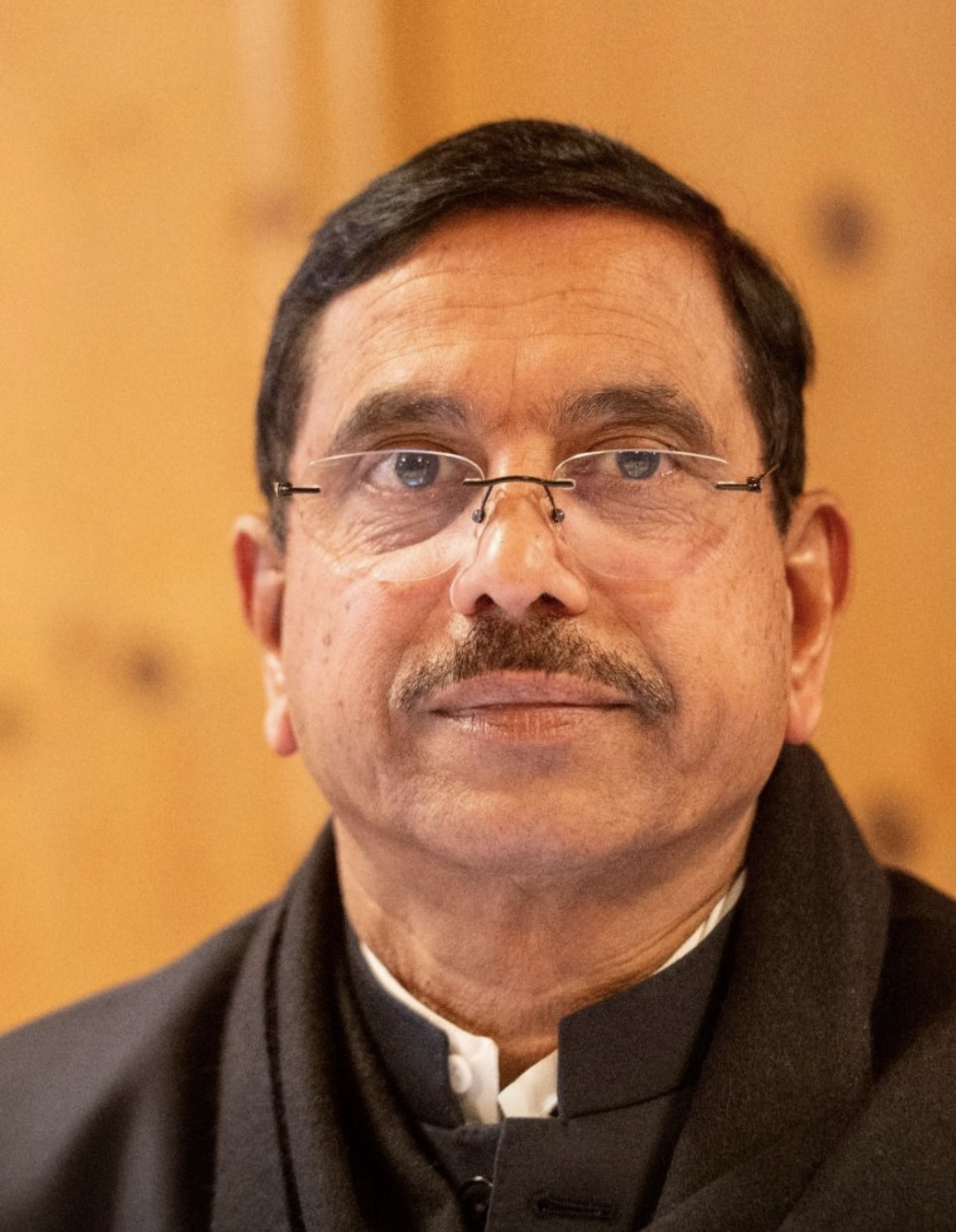
At Davos, India was also highlighted as one of the world’s fastest-growing renewable energy markets. Union Minister for New and Renewable Energy Pralhad Joshi urged global investors to partner with India as it accelerates its clean-energy transition. As he noted, India is the only G20 country to have already achieved 50% of its installed power capacity from non-fossil fuel sources — five years ahead of target.
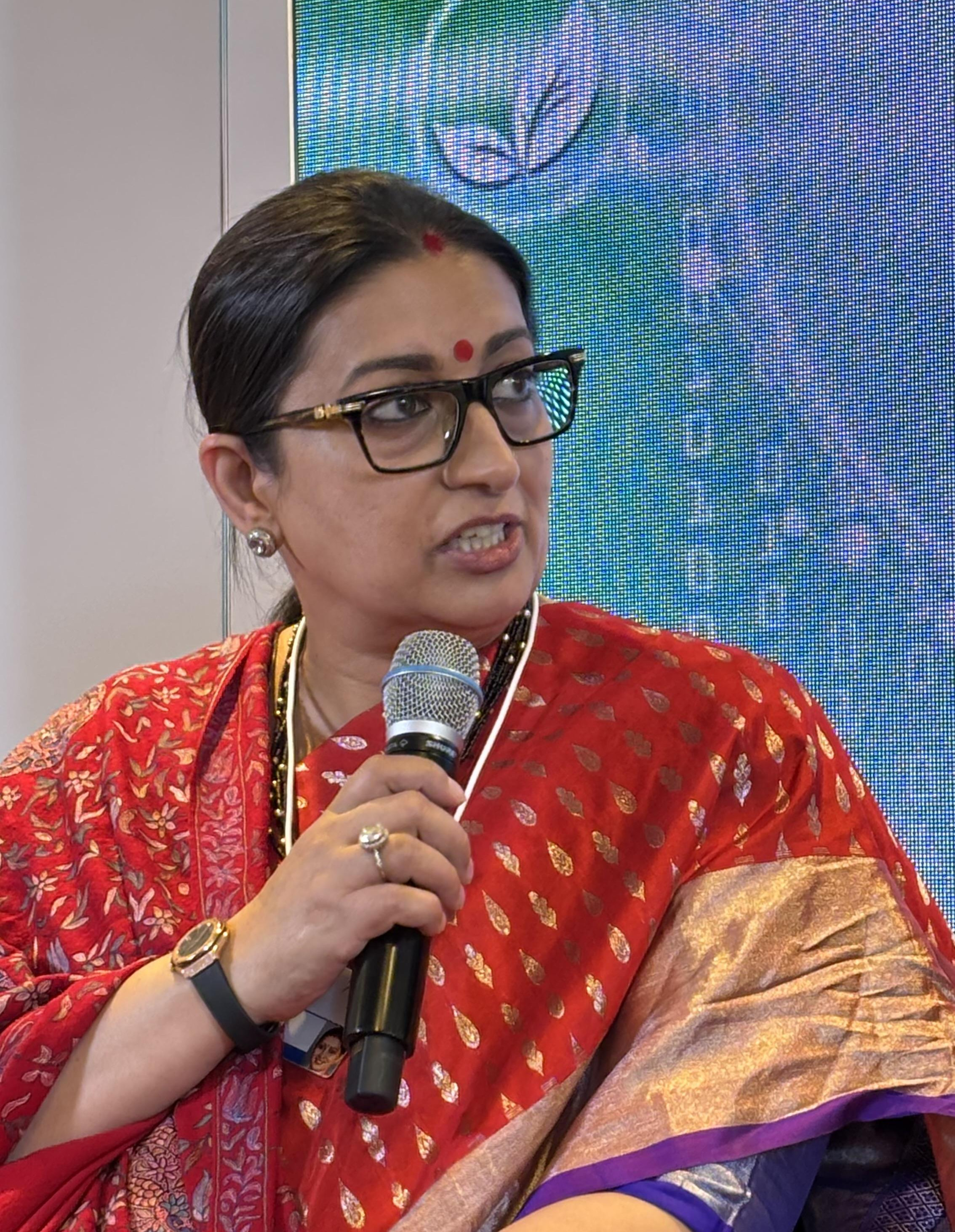
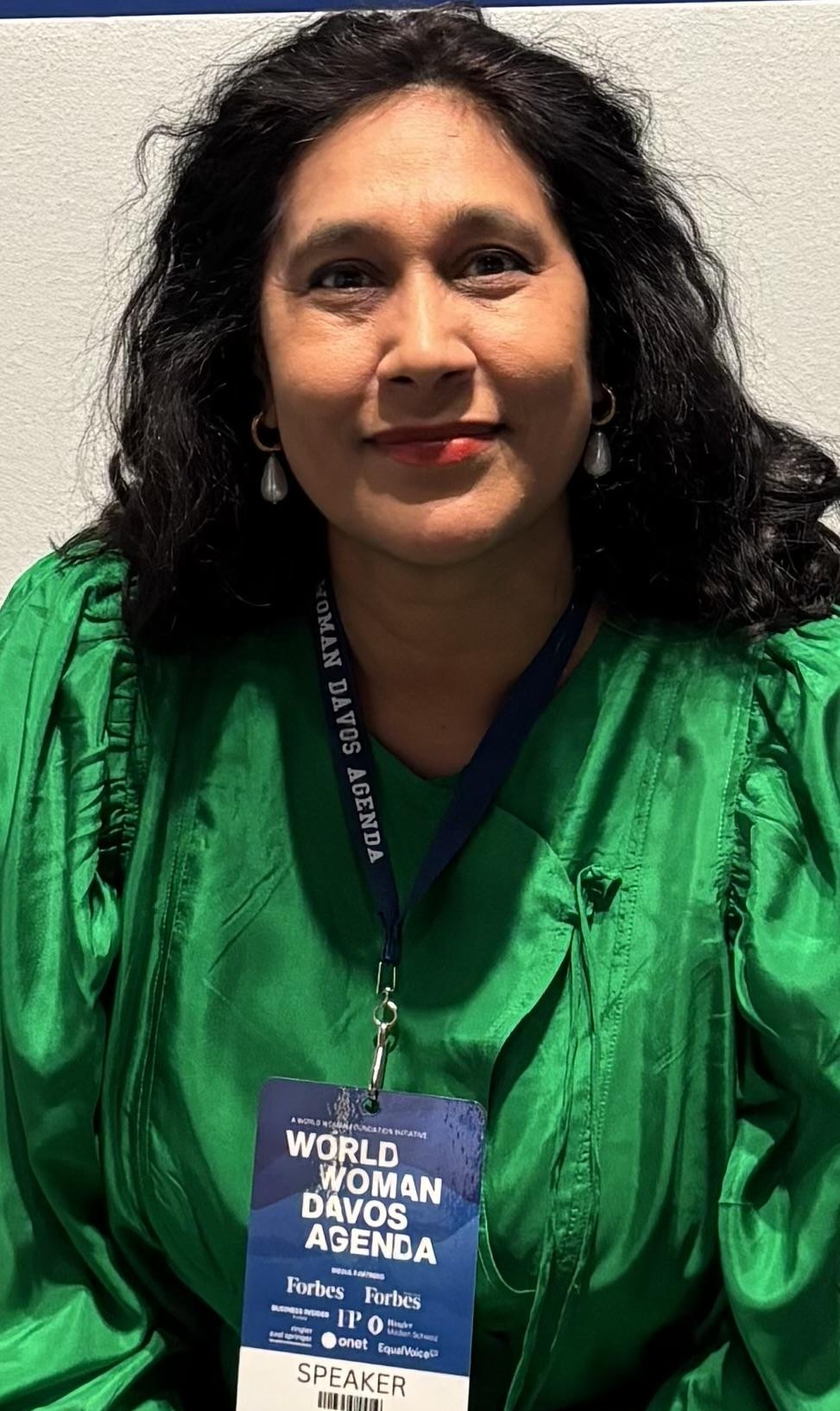
Equally inspiring were the voices of women — from senior business leaders to young entrepreneurs — speaking with clarity on innovation, inclusion, and sustainability. Together, these moments underscored India’s growing role on the global stage: not only in size, but in substance and perspective.
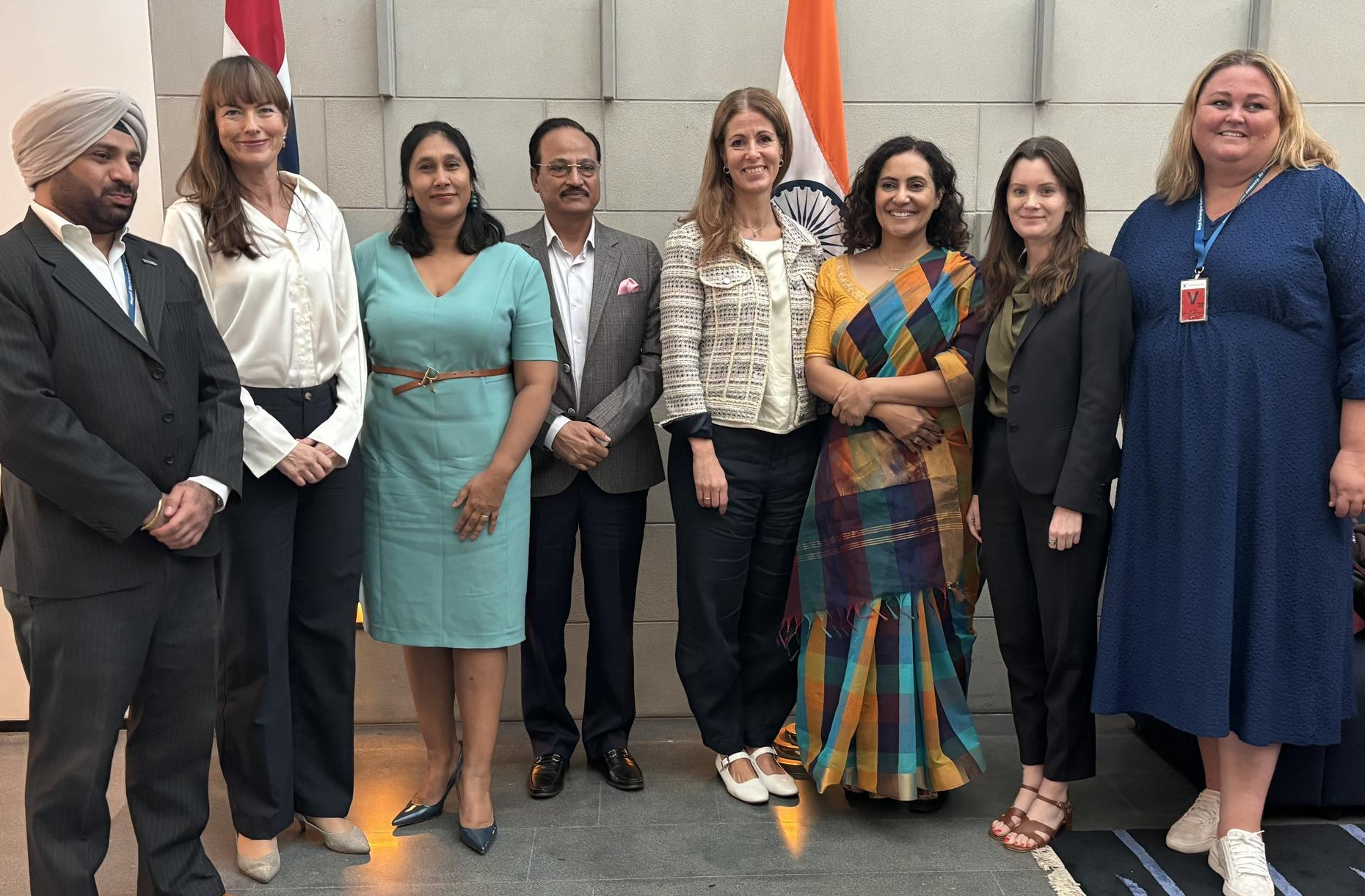
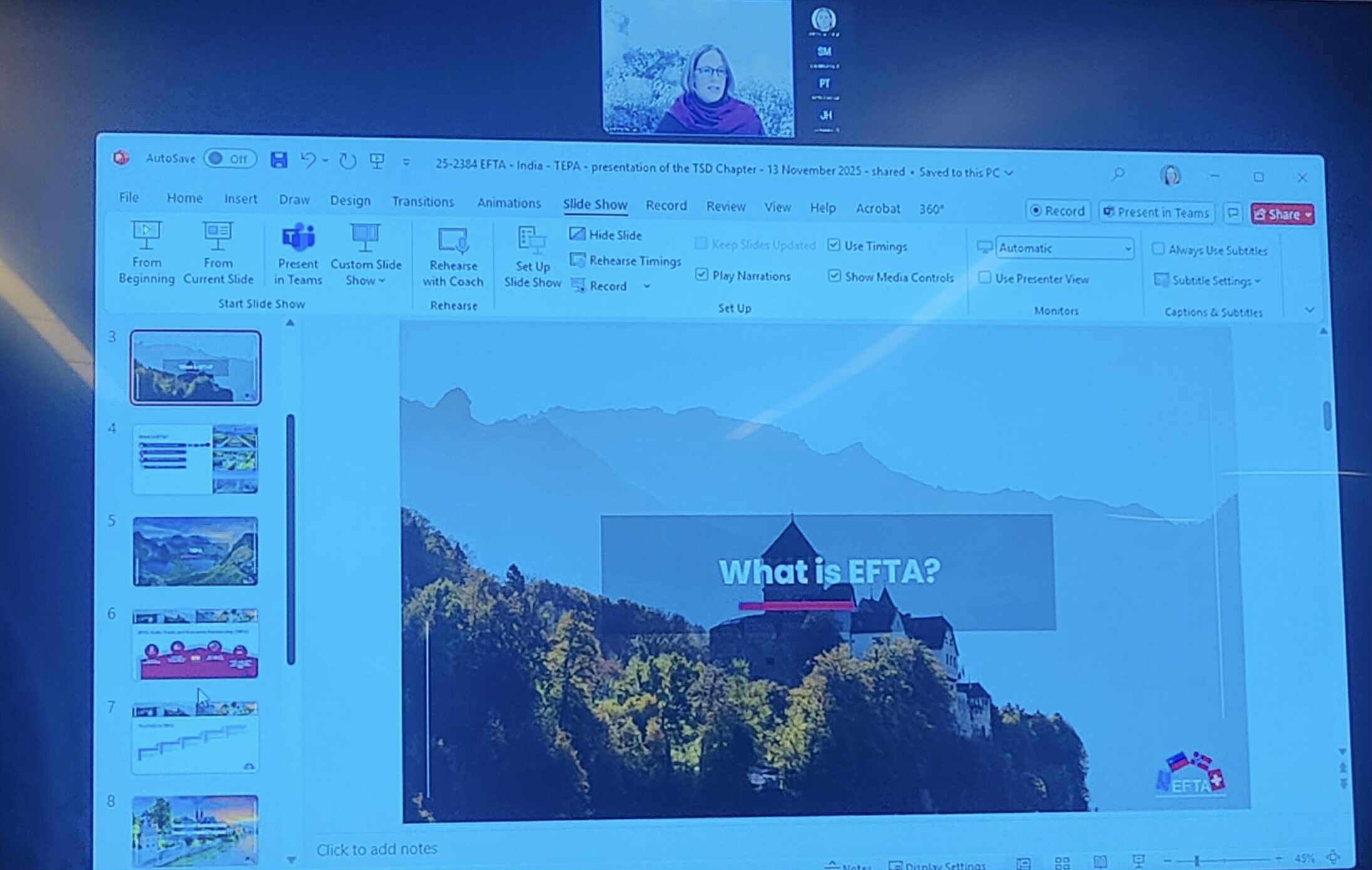
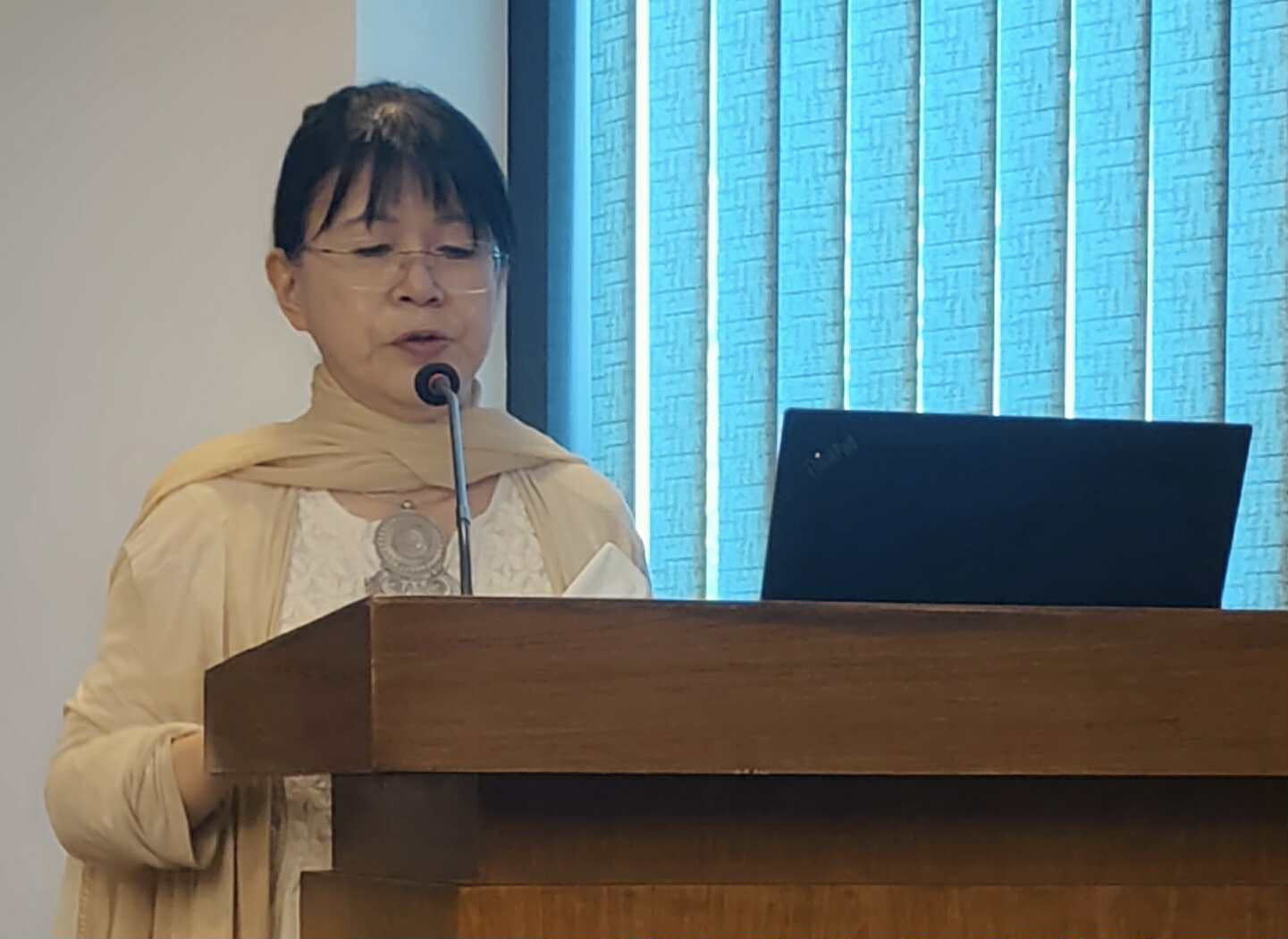
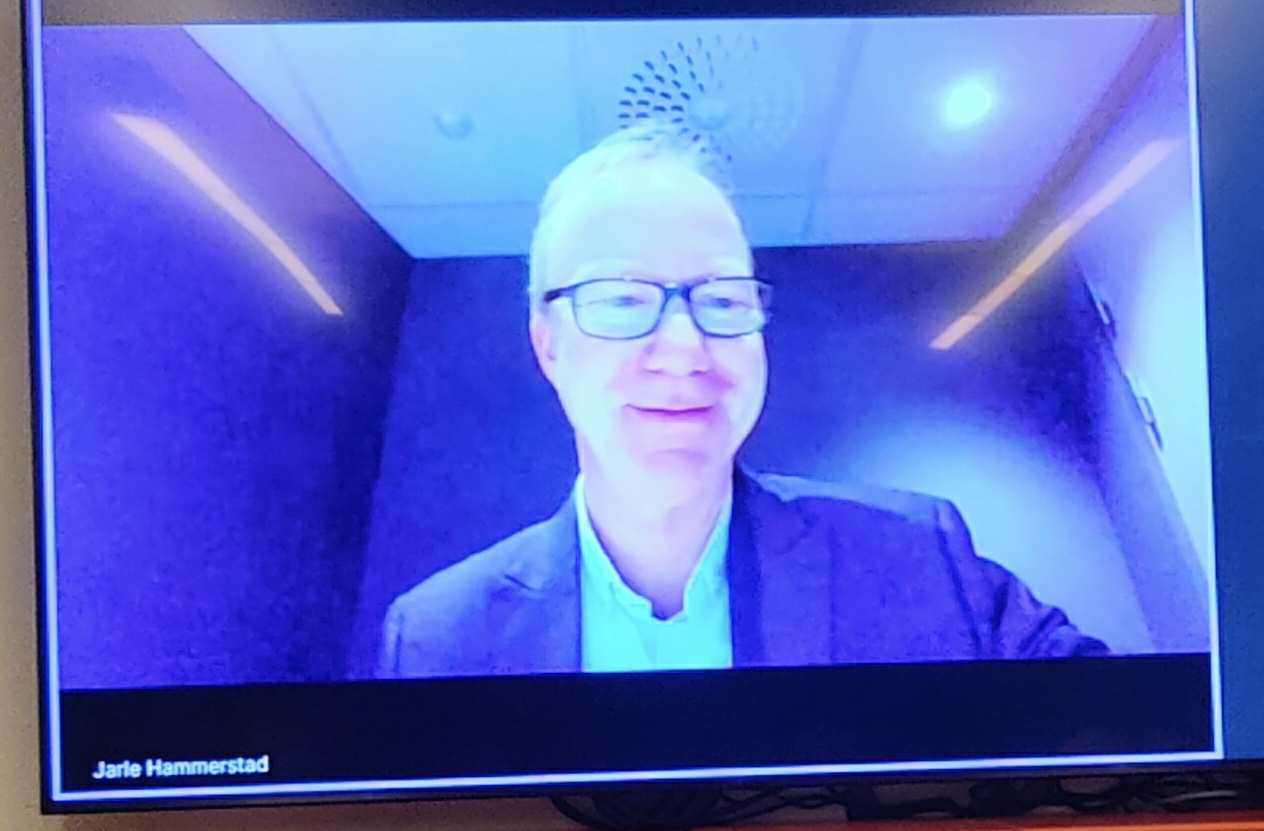
Det Moderne India hosted yet another dialogue on the EFTA–India Free Trade Agreement—this time in Delhi. The session brought together experts and stakeholders to discuss trade, investment opportunities, and the agreement’s long-term impact on India - Norway relations.
India’s historic victory at the Norway Cup 2025 captured the imagination of both nations. The Minerva Academy U-14 team not only won the world’s largest youth football tournament, but did so with record-breaking scores. Their achievement demonstrated that India’s sporting dreams are no longer distant aspirations but emerging realities.
To celebrate this milestone, and to explore the lessons it offers for future collaboration, Det Moderne India, in partnership with the Royal Norwegian Embassy, hosted the event India & Norway: From Grassroots to Glory – Lessons from the Norway Cup Triumph.
The dialogue brought together voices from sport, diplomacy, and development to discuss how India’s youth sports ecosystem can learn from Nordic models of inclusion, coaching, and grassroots engagement — and how Norway, in turn, can draw inspiration from India’s drive, scale, and resilience.
The session served as a moment of reflection and aspiration, connecting sport, culture, and diplomacy to inspire a new generation of Indo-Nordic collaboration. From the football fields of Oslo to the ambitions of New Delhi, the journey from grassroots to glory continued to unfold — with this event marking an important step along the way.


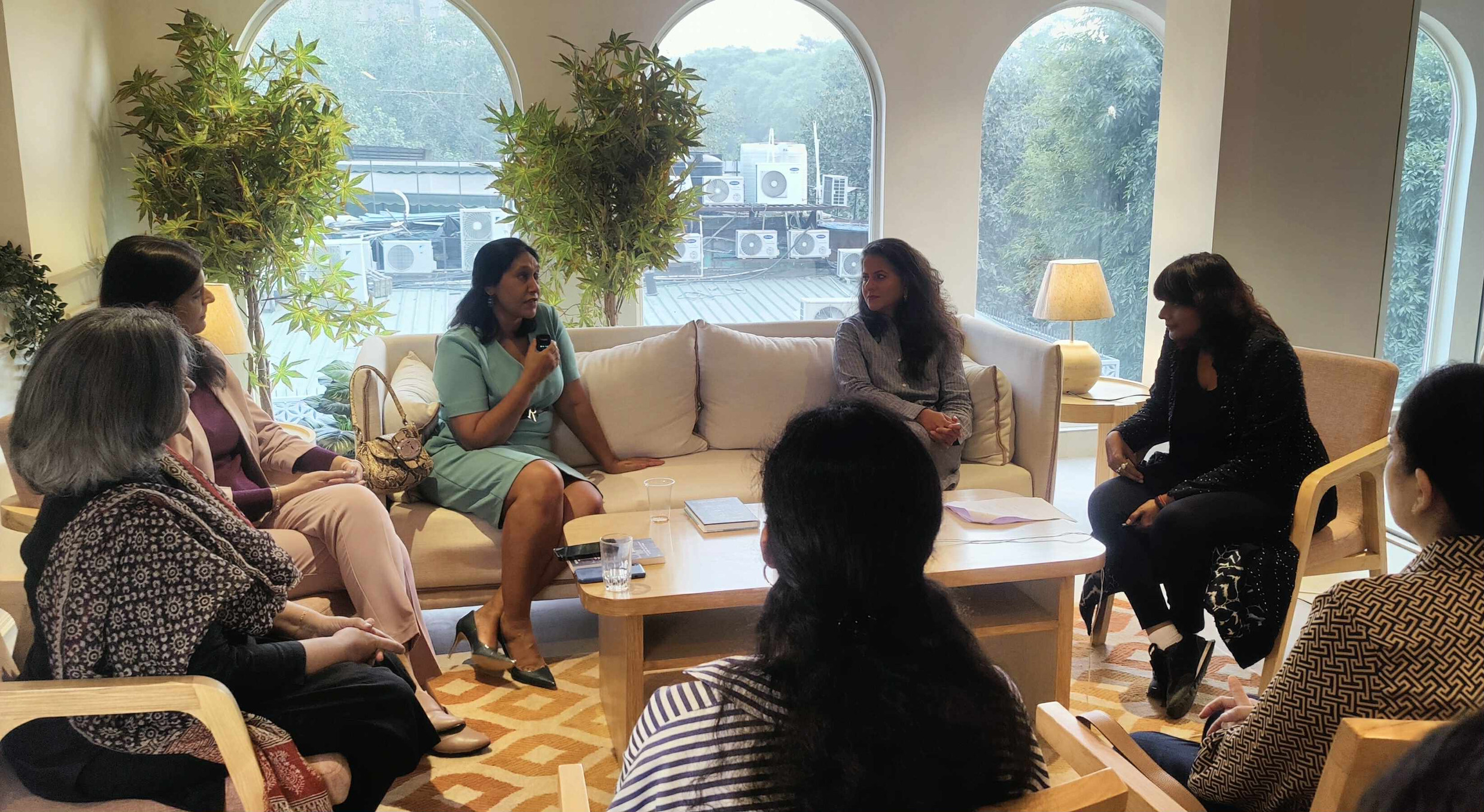
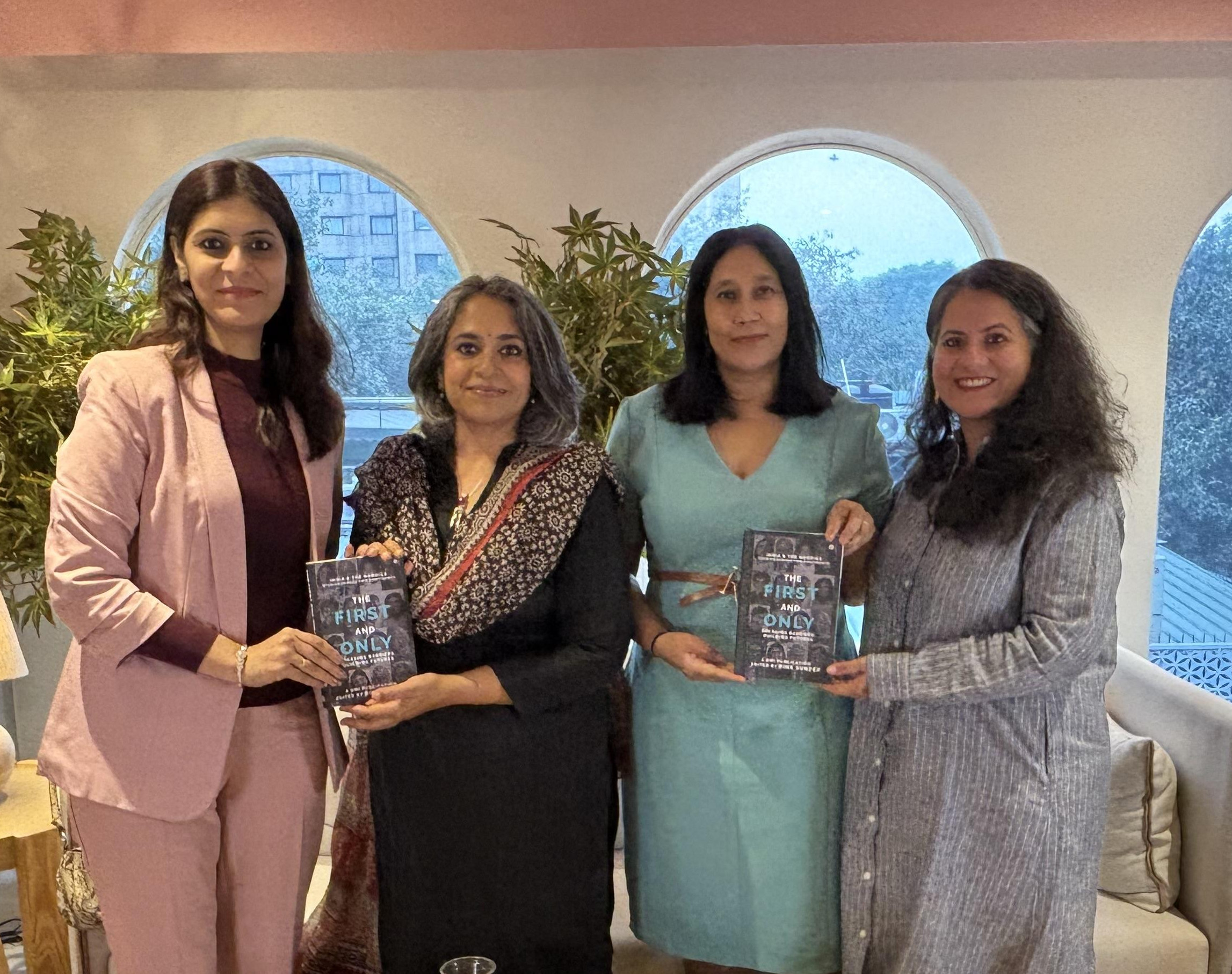
We often receive requests to host more events around The First and Only, and we are delighted to share that the next gathering took place in Delhi this November at Women Inspiring Networkss office.
The book The First and Only: India & The Nordics – Breaking Barriers, Building Futures explores the evolving relationship between India and the Nordic countries through the lens of leadership, gender equality, sustainability, and technology. As India continues to emerge as a global powerhouse and the Nordics remain leaders in equality and environmental responsibility, the book highlights what both regions can learn from each other—and how cross-regional collaboration can spark systemic change.
Through personal narratives, expert insights, and real-world case studies, The First and Only shines a spotlight on individuals who are “first and only” in their fields—those who break barriers and redefine what leadership can look like. It showcases women who lead against the odds, men who step up as allies, and institutions that embrace inclusion as a strategic imperative.
At a time when India and the Nordics are strengthening ties in business, climate action, and diplomacy, this book offers a window into the people shaping that transformation. It celebrates the spirit of partnership and courage that defines both regions and helps lay the groundwork for a more equitable and sustainable future.
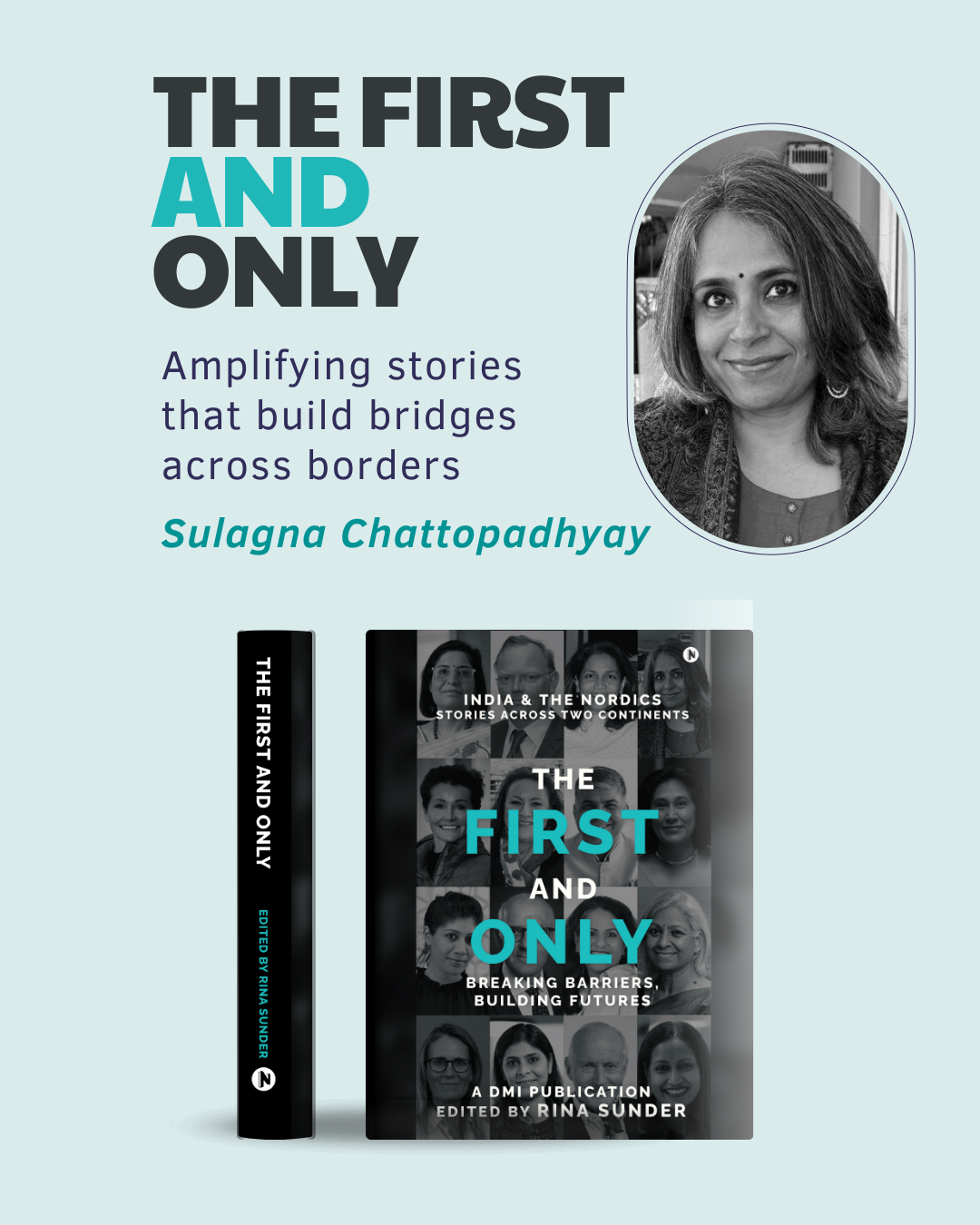
Dr. Sulagna Chattopadhyay has dedicated decades to climate research and polar policy, becoming one of India’s most respected voices in environmental discourse. As a social scientist working within a predominantly male STEM landscape, her resilience and determination have helped shape the way India understands climate, risk, and policy.
In the book, Dr. Chattopadhyay shares her groundbreaking work in climate journalism, environmental advocacy, and polar research. As the Founder-Editor of Geography and You and the driving force behind the SaGAA think tank, she has spent more than twenty years building independent research and communication platforms—often in spaces where she was “the first and only” woman.
Her story is one of grit, perseverance, and quiet strength. Dr. Chattopadhyay reflects on exclusion within academic circles, her journey to establish her own institutions, and the ongoing need for inclusive leadership in environmental and climate policy.
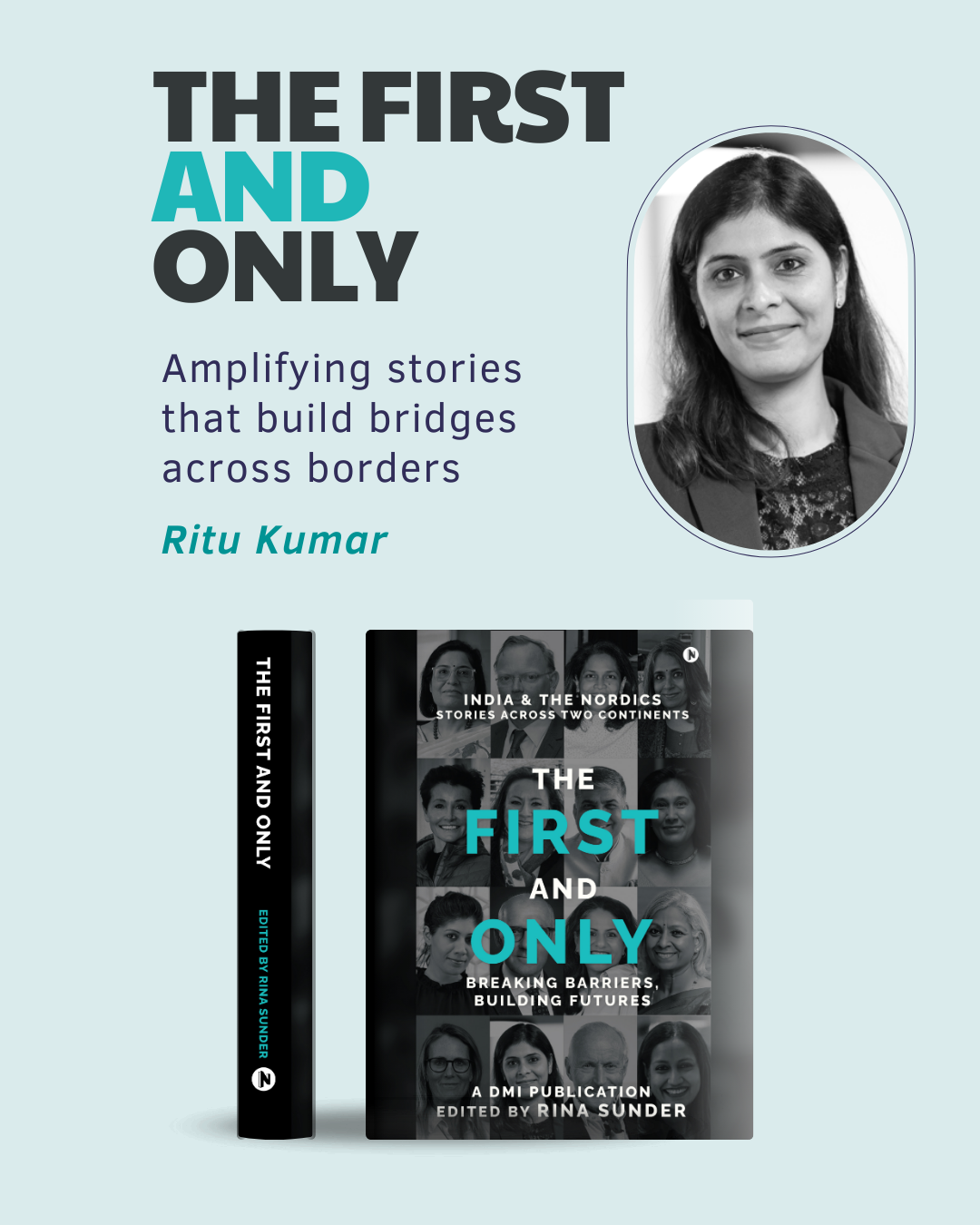
Ritu Kumar brings extensive experience in HR and organizational development, and has been a driving force behind people-centric initiatives that foster inclusivity and support diverse talent. Her leadership journey offers valuable insight into how companies can build environments where women- particularly in STEM - can thrive.
In this podcast episode, Ritu discusses the practical and cultural challenges companies face when recruiting women in India. She shares her perspective on creating supportive policies, developing inclusive recruitment practices, and strengthening skill development and retention strategies for long-term gender diversity.
Sohini Mishra is the Founder of Women in the Hood, a hyper-local community built to support urban women navigating personal and professional challenges. Her work focuses particularly on millennial women - many of whom are unmarried, divorced, or widowed - who are redefining independence and identity in modern India.
In the book, Sohini shares insights into the realities women face in cities today, from safety concerns and housing discrimination to workplace biases and limited networking opportunities. She highlights how community support, mentorship, and inclusive policies are essential to enabling women to thrive in environments that have not always kept pace with their aspirations.

A big thank you to Stuti Jalan and Women Inspiring Network for moderating and hosting this intimate session on India–Nordic collaboration, gender, and leadership.